Commercial Moves in Watford
If you are planning commercial moves in Watford, you already know that relocating a business is very different from moving a home. Office equipment, stock, furniture, files, specialist machinery, and day-to-day operations all need to be handled in a way that keeps disruption low and protects your assets. Whether you are moving a small office near Watford town centre, relocating a shop close to the High Street, or transferring a larger business unit to a new industrial space, the right moving team can make the process far more manageable.
Watford is a busy and varied business location, with everything from retail premises and professional offices to workshops, warehouses, hospitality venues, and shared workspaces. That mix means commercial relocation services need to be flexible, organised, and locally aware. Access restrictions, loading bays, timing windows, parking limits, and the need to keep staff productive are all part of the picture. A local team that understands the area can plan around these realities and help reduce stress on moving day.
Our approach to commercial removals in Watford focuses on practical support for businesses that need an efficient move without unnecessary interruption. From initial planning to the final placement of items in your new premises, every stage is designed to keep the process structured and straightforward. If you are looking for a dependable way to relocate your business, request a free quote and start planning with confidence.
Commercial relocations tailored to Watford businesses

Every business move has different demands. A small consultancy moving from a shared office space will not need the same approach as a retail unit changing premises in a busy shopping area, and neither will be the same as a warehouse transfer or an office block relocation. That is why commercial relocation in Watford should always begin with a clear understanding of your operation, your timings, and the type of items being moved.
Watford’s commercial landscape includes modern office developments, older town-centre buildings, mixed-use properties, business parks, retail units, and light industrial sites. Each one brings its own access conditions. Narrow roads, controlled parking, shared entrances, lifts, stairs, and time-restricted loading can all affect how a move is planned. A business move team familiar with local conditions can adapt the schedule and vehicle approach accordingly.
For many customers, the biggest concern is downtime. If staff cannot work, customers cannot be served, or stock cannot be accessed, a move can quickly become expensive in ways that go beyond the removal cost itself. A well-managed office move or commercial relocation helps you protect working hours, maintain continuity, and get set up in the new space with less disruption.
What commercial moving services can include

Commercial moves are rarely just about lifting furniture into a van. In practice, a business relocation service may include planning, packing, dismantling, transport, reassembly, and placement of key items in the correct rooms or departments. For some customers, it also involves the careful handling of confidential files, IT equipment, retail stock, display units, shelving, archive boxes, and specialist items that need extra care.
Depending on your business type, the service can be adapted to support an office move, shop relocation, premises transfer, or an internal move within the same building. Some businesses need help moving only a few critical items, while others need a full relocation plan covering several floors or multiple work areas. The right service should fit the scale of your operation, not the other way around.
Common elements of commercial moving support include:
- Pre-move planning and move-day coordination
- Packing assistance for office supplies, files, and breakables
- Dismantling and reassembly of desks, tables, and storage
- Safe transport of electronics, stock, and business assets
- Placement of items at the destination according to your plan
- Support for out-of-hours or staged moves where needed
Why local knowledge matters for business moves in Watford
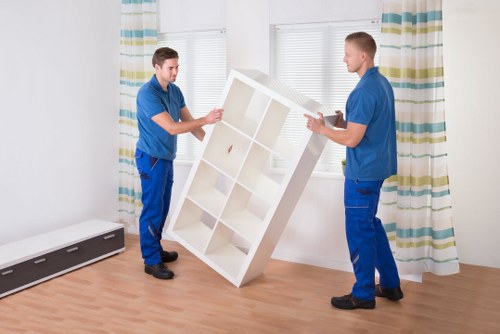
Choosing a local company for commercial moves in Watford can make a real difference. A team that works in and around the town regularly is more likely to understand where access can be tight, which areas can become congested, and how to manage vehicle loading in a practical way. That knowledge can save time and reduce avoidable delays.
Local experience is especially useful around busy commercial and residential mix areas where parking is limited, access may be shared, and delivery windows matter. In parts of Watford, moving large office furniture or stock can be more challenging if roads are narrow or if the premises are in a location with little on-site parking. A team used to these conditions can plan collection and delivery more effectively.
For local businesses, that kind of practical understanding matters. It can help with timekeeping, protect your property, and make the entire relocation feel more controlled. Whether you operate from a town centre office, a retail unit, a light industrial space, or a business park, a local commercial moving service can bring the right mix of organisation and flexibility.
Types of commercial customers we support
Commercial removals in Watford are relevant to many different kinds of organisations. Business premises vary widely, and the moving needs of each customer will depend on the size of the team, the volume of items, and the level of operational urgency. The good news is that a well-planned move can usually be adapted to suit the business rather than interrupt it.
Common commercial customers include:
- Office-based companies and professional services firms
- Retail shops and showrooms
- Warehouses and storage facilities
- Hospitality businesses such as cafés, restaurants, and pubs
- Healthcare and clinic settings with sensitive equipment
- Education and training providers
- Start-ups moving into their first commercial premises
- Established businesses upgrading to larger or better-located spaces
Because Watford has a strong mix of high street trade, office space, and industrial units, many moves involve more than one type of item. For example, a company may need desks and chairs moved alongside paperwork, IT equipment, stock, display materials, and kitchen or staff-room contents. That is why a flexible relocation plan is so valuable.
How a commercial move usually works

A clear process helps the move feel more manageable. The best commercial moving companies do not simply arrive on the day and start loading. Instead, they usually begin by understanding what needs to move, where it is going, and what deadlines must be met. The aim is to reduce disruption and make sure essential items are prioritised.
A typical process for business relocations may look like this:
- Initial discussion — You explain the size of the move, the property type, and any timing issues.
- Planning — The move is scheduled around opening hours, staff availability, building access, and transport requirements.
- Packing and preparation — Items are organised, labelled, and prepared for transit.
- Loading and transport — Furniture, files, stock, and equipment are carefully moved to the new site.
- Unloading and placement — Key items are placed where you need them to help you resume operations quickly.
For some customers, the move may happen in phases. That can be helpful if your business must remain open during the relocation, or if the new premises are not fully ready at the same time as the old one. Staged moves are often a sensible choice for larger organisations, because they keep work moving while the relocation progresses.
Preparation checklist for business customers
Good preparation can make a commercial move far smoother. Even if you use a professional removal team, there are still sensible steps your staff can take in advance. The more organised the handover, the easier it becomes to protect equipment, avoid confusion, and settle into the new premises faster.
Before moving day, it helps to:
- Confirm which items are going to the new premises and which are not
- Label boxes, files, and furniture by department or room
- Back up important digital data and secure sensitive records
- Inform staff of the moving schedule and any access instructions
- Identify fragile, confidential, or high-priority items
- Measure key furniture and equipment to check it will fit through doors, corridors, and lifts
- Arrange access, parking, or loading permissions where needed
- Separate items that must be moved first for business continuity
A small amount of preparation can prevent bigger problems later. It also helps the moving team work more efficiently, especially when the premises are busy or access is limited. For businesses in and around Watford town centre, this planning step is often essential because space can be tight and timing can matter more than in less congested areas.
Pricing factors for commercial removals

Business owners often want to know what affects the cost of a commercial move. While exact prices depend on the specific job, there are several common factors that influence the final quote. Understanding these helps you plan your budget and compare services with more confidence.
Typical pricing factors include:
- The size of the premises and the volume of items being moved
- How far the items need to travel between locations
- Whether packing, dismantling, or reassembly is required
- Access conditions at both the old and new premises
- The number of staff or vehicles needed for the job
- Any out-of-hours or weekend scheduling requirements
- Special handling for fragile, heavy, or valuable equipment
For example, an office move from one Watford location to another nearby may be more straightforward than a larger relocation involving multiple floors, restricted parking, and several departments. Likewise, a shop move with high-value stock, display fittings, and shelving can take more planning than a simple desk transfer. A good quote should reflect the real demands of the work, not just the distance between postcodes.
Benefits of choosing a local commercial moving company
There are practical advantages to working with a local team for business relocation services in Watford. A company that regularly operates in the area can often anticipate local traffic patterns, access problems, and timing issues more effectively than a team unfamiliar with the borough. That can make the difference between a smooth move and a stressful one.
Some of the main benefits include:
- Better awareness of local roads, access routes, and parking limitations
- Faster response times for planning and scheduling
- More suitable solutions for town-centre and business park locations
- Flexible support for office, retail, and warehouse environments
- A more personal service from people who understand local business needs
Businesses often appreciate a team that can work around commercial realities rather than forcing a fixed process. If you need a move outside standard business hours, during quieter trading periods, or in stages over several days, a local provider is often better placed to help. Contact us today if you want to discuss a move plan that fits your working hours and operational priorities.
Areas covered in and around Watford
Commercial moves in Watford often involve a wide surrounding area rather than the town centre alone. Businesses may be relocating between nearby neighbourhoods, industrial estates, trading locations, or office parks. Being able to handle moves across the local area is important when companies are changing premises or consolidating sites.
Typical areas and nearby locations that may be included in a commercial relocation service around Watford include:
- Watford town centre
- Watford Junction area
- North Watford
- West Watford
- South Oxhey
- Bushey
- Harrow nearby business connections
- Rickmansworth connections where relevant
- Hemel Hempstead routes for wider commercial transfers
- Local industrial and business park locations
This wider coverage matters because many companies do not move only a few streets away. They may be relocating to a larger office in a neighbouring area, moving stock to a storage facility, or transferring between units that serve different functions. A team used to local and regional business routes can plan around that variety.
Commercial moves for different property types
Watford includes a broad mix of commercial property types, and each one can pose a different moving challenge. Office buildings may involve lifts, reception areas, shared corridors, and managed access times. Retail units may need careful handling of display items and stock. Warehouses and industrial units may require heavier lifting and a different vehicle plan. Hospitality properties often combine furniture, appliances, and fragile equipment.
Here is how the property type can affect the move:
Offices
Office relocations usually involve desks, chairs, filing, IT equipment, and meeting room furniture. They may also need label-based organisation so departments can get back to work quickly.
Retail spaces
Shops and showrooms often need stock moved carefully, with shelving, display stands, tills, and branded fixtures protected during loading and transit.
Warehouses and storage units
These moves may be larger in scale and may involve pallets, heavy stock, racking, or secure inventory handling.
Hospitality venues
Cafés, restaurants, bars, and pubs often need a combination of furniture, kitchen items, glassware, and front-of-house equipment moved in an organised sequence.
Practical access and parking considerations in Watford
One of the most important parts of planning commercial relocation in Watford is dealing with access. In a busy town, the best-laid moving day schedule can be affected by parking restrictions, building rules, and traffic conditions. A professional move plan should take these challenges into account from the beginning.
Common issues include limited curb space, narrow roads, shared access with other tenants, loading restrictions, and the need to use lifts or stairwells. Some buildings also have specific moving hours or require advance booking for service entrances. When these details are handled early, the move is more likely to stay on schedule.
Useful questions to think about before moving day:
- Can a vehicle park close to the entrance at both locations?
- Is there a lift, and if so, does it need to be reserved?
- Are there time limits for loading and unloading?
- Will any items need to be carried by hand over a long distance?
- Does your new premises have enough room for furniture and boxes on arrival?
These practical details may seem minor, but they can have a big impact on how quickly a move is completed. The more information you have ready in advance, the easier it becomes to organise the day efficiently.
Why businesses choose professional help instead of handling a move alone
Some smaller businesses consider moving on their own, especially if the relocation seems straightforward. However, even modest commercial moves can become complicated once you factor in lifting heavy furniture, protecting equipment, managing deadlines, and dealing with access. A professional service helps reduce the strain on staff and lowers the chance of accidental damage or delay.
Using experienced commercial movers can be especially helpful if you have:
- Large or awkward furniture
- Fragile office technology
- Confidential or sensitive files
- Multiple departments to relocate
- A short deadline between old and new premises
- Limited staff time available for packing and lifting
It is not just about convenience. It is also about protecting the business and helping your team stay focused on their work rather than on heavy lifting and logistics. That is often the biggest value of professional commercial removals in Watford.
Frequently asked questions
How far in advance should I book a commercial move?
It is sensible to book as early as possible, especially if your move needs to take place at a specific time, outside normal hours, or during a busy trading period. Early booking gives more time for planning and can make access arrangements easier.
Can a commercial move be done outside business hours?
Yes, many businesses prefer evening, weekend, or phased relocations to reduce disruption. This is often especially useful for offices, shops, and customer-facing premises where daytime downtime would be a problem.
Will the moving team help with packing?
That depends on the service you choose. Some businesses only need transport, while others want packing support, dismantling, and reassembly included. It is best to discuss your requirements early so the service can be matched to your needs.
What if my new premises are not ready yet?
In some cases, a phased move or short-term storage solution may be appropriate. If your relocation timeline is uncertain, speak about the available options as early as possible so a realistic plan can be made.
How do I protect IT equipment and files?
Digital equipment and documents should be carefully labelled, backed up, and packed with attention to handling. Sensitive materials should be separated from general items so they can be transported and unpacked in the right order.
Can you move small businesses as well as larger companies?
Yes. Commercial moves can be scaled to suit a small office, a shop unit, a start-up, or a larger multi-room operation. The key is having a service that adapts to your situation rather than applying a one-size-fits-all approach.
What to expect from a reliable commercial relocation service
When you are comparing providers for commercial moving in Watford, look for clarity, organisation, and a willingness to understand your premises. A reliable service should listen carefully, ask about access and timing, and explain how the move will be handled. It should also be willing to discuss special items, such as heavy equipment or sensitive records, without making assumptions.
Signs of a well-run commercial moving service include:
- Clear discussion before the move
- A practical plan for access and loading
- Attention to fragile, heavy, or confidential items
- Flexible timing to suit your working schedule
- Helpful support with unloading and placement
For many customers, the aim is simple: get the business moved with as little disruption as possible. A strong local service should help you do exactly that.
Planning for a smoother first day in the new premises
The move itself is only part of the story. A good commercial relocation also helps you prepare for the first working day in the new premises. That may mean placing desks in the right areas, ensuring priority items are easy to find, and organising key equipment so staff can begin work quickly.
It can help to prepare a simple unpacking order before moving day. For example, you might want reception items, customer-facing materials, and essential IT equipment to be delivered and positioned first. Back-office files, archive boxes, and non-urgent furniture can then follow in the second stage. This approach is especially useful for busy offices and retail businesses that need to resume service quickly.
A thoughtful arrival plan reduces chaos. It gives your team a clearer start and helps you settle into the new premises with less stress. If you want support with a planned commercial relocation, book your service now and get the process moving in the right direction.
Ready to organise your commercial move in Watford?
Whether you are moving a small office, a retail unit, or a larger business operation, a professional approach can make the whole process more manageable. Commercial moves in Watford often require careful timing, practical planning, and local knowledge of access and parking. When those details are handled well, your business is better placed to keep running smoothly.
If you are preparing for a relocation and want a service that understands local business needs, contact us today to discuss your plans and request a free quote. The sooner you start planning, the easier it becomes to coordinate your move, protect your assets, and get ready for a successful start in your new premises.
From first enquiry to final placement, the aim is a move that works for your business.